Bioplastic

Plastic without compromise – the sustainable alternative

Bioplastics are not a single material but a whole family of materials with different properties and applications. According to European Bioplastics, a plastic is a bioplastic if it is bio-based, biodegradable, or both.

About 140 million tonnes of plastic are consumed worldwide every year, requiring the processing of approximately 150 million tonnes of fossil fuels and creating immense amounts of waste that can take thousands of years to degrade, if it degrades at all. When petroleum-based plastics are burned, the carbon they contain is released into the atmosphere, contributing to global warming, and improper disposal harms wildlife and aquatic life. Bioplastics offer a positive alternative: they are not based on fossil resources and can be biodegraded.

01Benefits

Why bioplastics?

Today there is a bioplastic alternative for almost every conventional plastic and application. Bioplastics have the same properties as conventional plastics, with extra advantages such as a reduced carbon footprint and additional end-of-life options like composting. Bioplastics are an essential part of the bioeconomy and a fast-growing, innovative industry with the potential to decouple economic growth from resource depletion and environmental impact.

Bio-based means that a material or product is (partly) made from renewable biomass, such as vegetable fats and oils, corn and pea starch, cellulose or sugar cane. Biodegradable plastics undergo a chemical process in which microorganisms present in the environment convert them into natural substances such as water, carbon dioxide and compost. The process depends on environmental conditions (location, temperature), the material and the application.

02Classification

Grouping of (bio)plastics

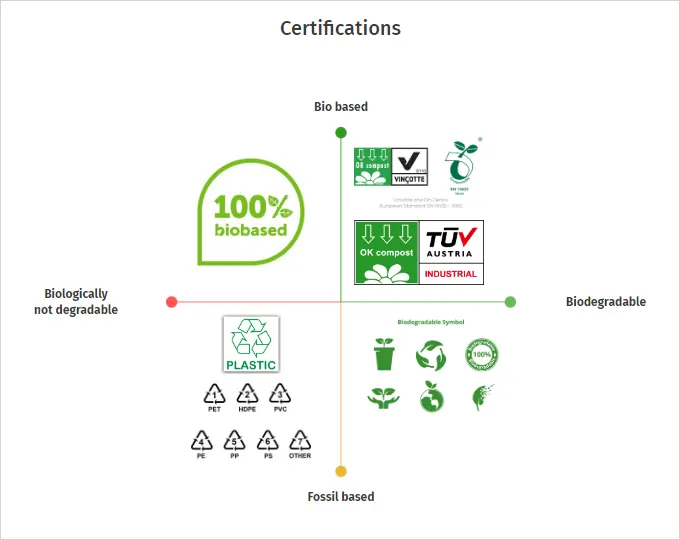
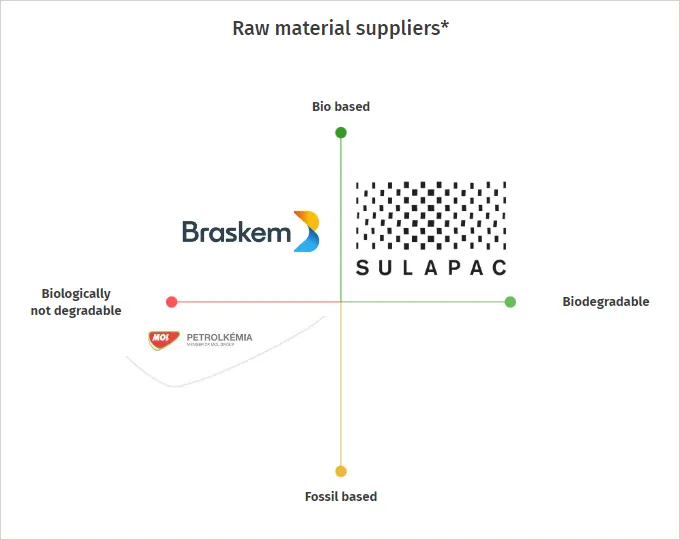
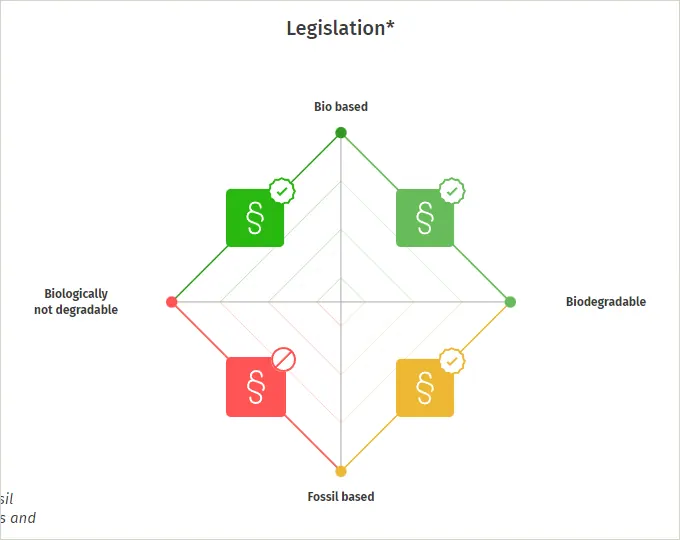
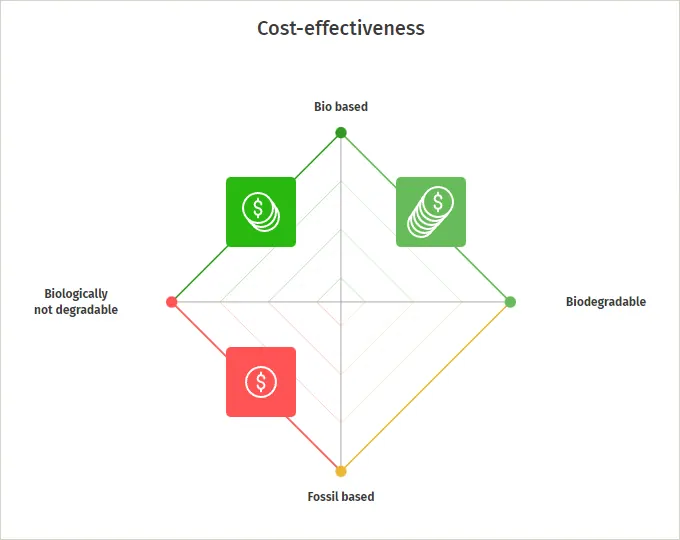
“Bio-based” does not equal “biodegradable”. Biodegradability does not depend on the resource basis of a material but on its chemical structure.

Comparison: certifications, legislation, cost

03Biodegradation

Biodegradable and compostable plastics

Biodegradation is a chemical process in which microorganisms in the environment break a substance down into natural elements such as water, carbon dioxide and compost. It depends on environmental factors such as location and temperature.

Biodegradable plastic does degrade, but it needs special conditions: microorganisms or fungi, often combined with UV light and warmth, to start the process.

Compostable plastic is a subtype of biodegradable plastic. A “compostable” label does not mean the product can go in a home compost: the process typically takes place in industrial conditions – at a constant temperature, over days or weeks depending on the material.

Main groups

Starch-based

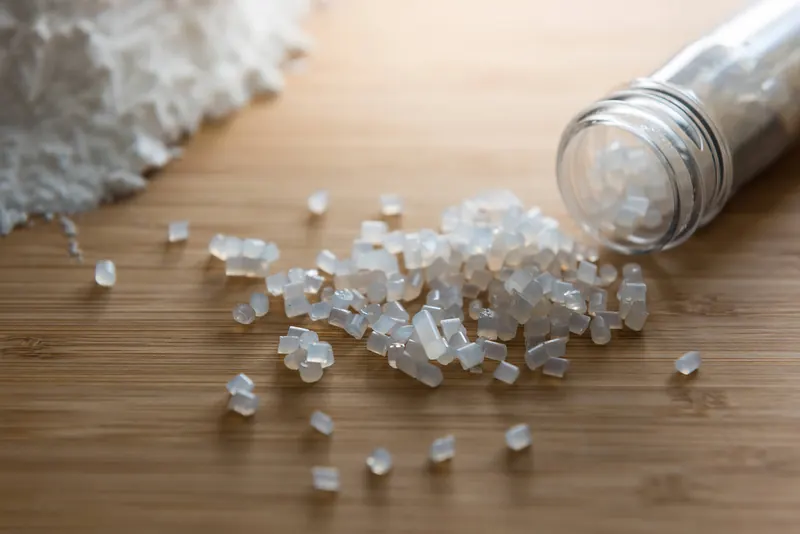
About 50% of the bioplastics market; thermoplastic starch is currently the most widely used bioplastic. Pure starch absorbs moisture, so plasticisers such as sorbitol and glycerine are added to make it thermoplastically processable.

e.g. packing peanuts
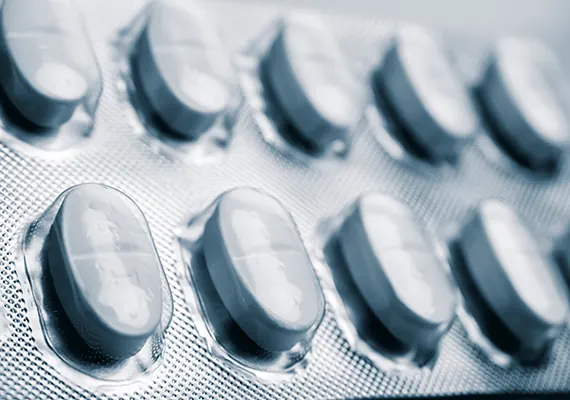
Cellulose-based

Mainly cellulose esters – cellulose acetate, nitrocellulose – and their derivatives, such as celluloid.

e.g. packaging blister

Aliphatic polyesters

Mainly polyhydroxyalkanoates (PHA), poly-3-hydroxybutyrate (PHB) and polylactic acid (PLA).

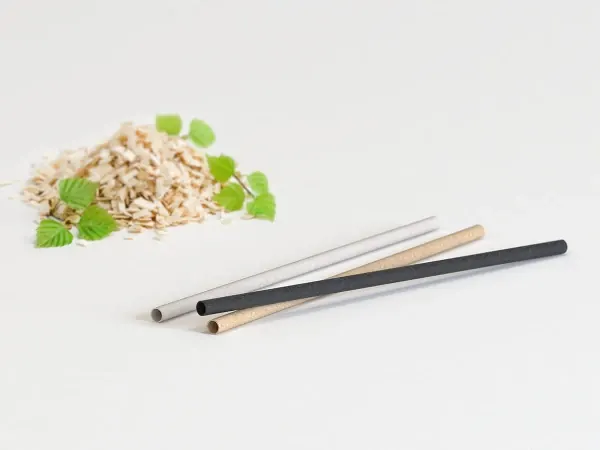
e.g. drinking straws made of PLA blend

04Renewable source

Bio-based plastic

Bio-based plastics are made from renewable sources instead of fossil fuels: corn, potatoes, rice, soy, sugar cane, wheat or vegetable oils. Their production generally requires less fossil energy and generates fewer greenhouse gases.

Traffic and industry release large amounts of harmful gases, including carbon dioxide. Sugar cane – like other plants – absorbs large amounts of CO₂ as it grows. Products made from sugar cane are as strong as their fossil counterparts, so they can be used just as widely, and they are 100% recyclable after use.

05Applications

Uses of bioplastics

Medical

Medical

The medical sector sets entirely different requirements: the highest quality standards must be guaranteed, resulting in costs that can exceed €1,000 per kilo.

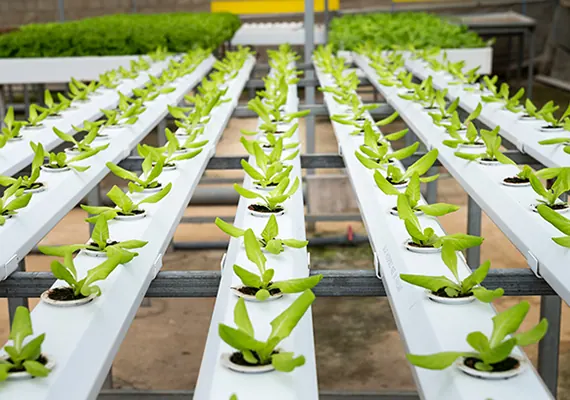
Gardening & agriculture

Gardening & agriculture

Mulch films and decomposable flowerpots leave no residue in the soil and save time and cost, as they can simply be ploughed in.

Electronics

Electronics

Mitsubishi Plastics raised the heat resistance and strength of polylactic acid by combining it with other biodegradable plastics and fillers, and used the result for plastic casings.

Catering

Catering

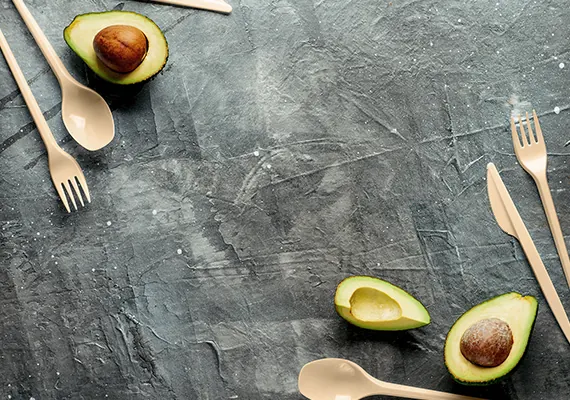
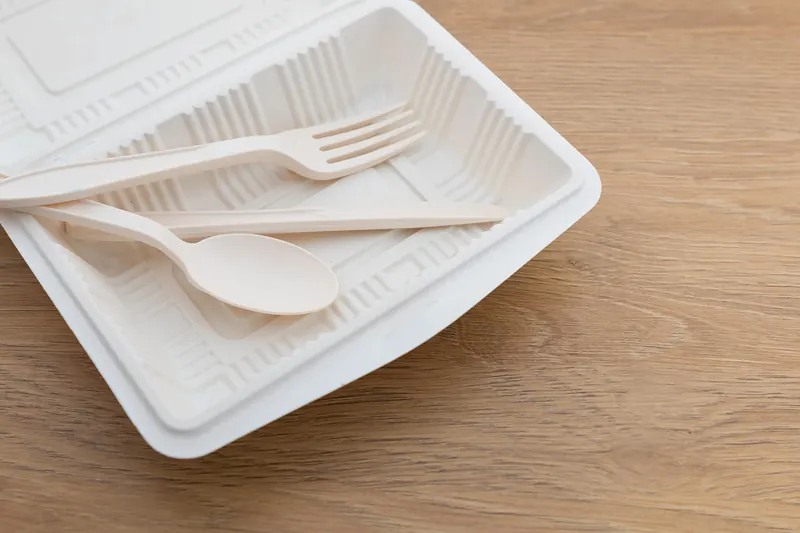
Disposable crockery, cutlery, bowls, burger boxes and straws are thrown away with food leftovers after a single use. E.g. drinking straws made of PLA blend.

Packaging

Packaging

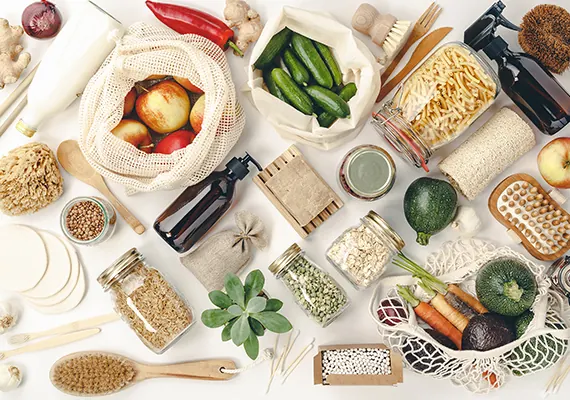
Shopping bags that can be reused for organic waste and then composted; trays for eggs, fruit, vegetables and meat; bottles for soft drinks and dairy. E.g. flower wrapping made of PLA blend.

Hygiene products

Hygiene products

Breathable yet waterproof soft bioplastic films for nappies, bed pads, incontinence and feminine hygiene products and disposable gloves.

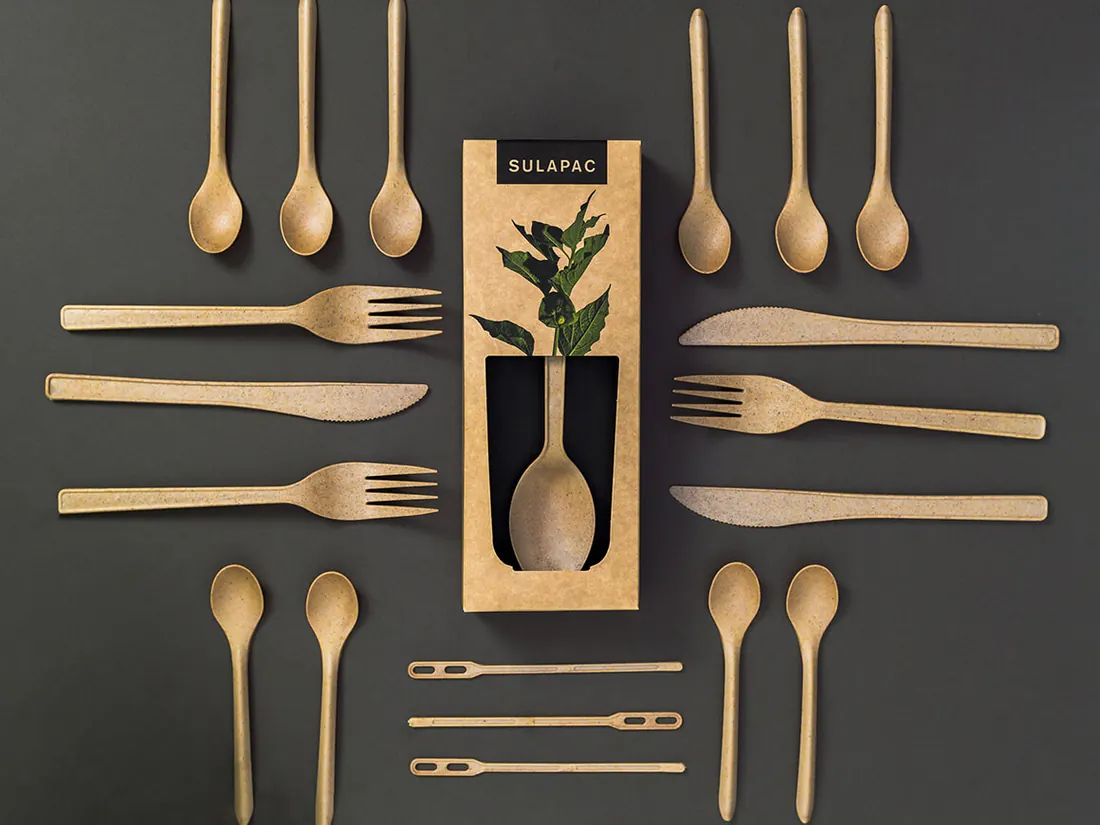
Cutlery and straws

Biodegradable, industrially compostable cutlery and straws made of Sulapac®. Request an individual quote for the products you choose.